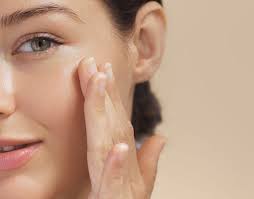
Open Pores: Causes, Treatments, and Step-by-Step Remedies  

Open Pores Treatment

Enlarged Pores also known as open pore, visible pores, big pores, or skin pores are a common skin problem in women. These small tiny pores looks bad on face. People searches for How to overcome and reduce open pores and pore tightening remedies, usually people want quick and effective solution to minimize pores.

Understanding Open Pores on Face  

“According to experts at the American Academy of Dermatology, choosing non-comedogenic products and removing makeup properly can prevent common skin issues.”

What they are: Open pores on the face are enlarged openings of oil glands and hair follicles.  

Why they matter: They make the skin look uneven, lead to clogged pores, and increase breakouts.  

Who gets them: People with oily skin, aging skin, or sun damage are most likely to have large pores on the face.  

What you should do: Start a daily open pores treatment routine to control oil and strengthen the skin.  

Step 1: Cleansing for Open Pores  

Why: Cleansing removes oil and dirt, which helps prevent clogged pores.  

What to use:  

– Gel-based cleanser (for oily skin)  

– Foam cleanser with salicylic acid (for acne-prone skin)  

– Gentle cream cleanser (for dry or sensitive skin)  

How to do it:  

– Wash your face two times every day—morning and night.  

– Massage with cleanser in circular motions for 60 seconds.  

– Rinse with lukewarm water (never hot water, as it enlarges pores).  

Step 2: Exfoliation to Unclog Pores  

Why: Exfoliating removes dead cells and clears clogged pores.  

What to use:  

– Chemical exfoliants (AHA/BHA serums)  

– Natural scrubs (oatmeal, rice flour, coffee)  

How to do it:  

– Exfoliate 2 to 3 times a week only (not daily).  

– Apply gently; don’t rub harshly.  

– Always follow with moisturizer after exfoliation.  

Step 3: Toning for Minimizing Pores  

Why: Toners tighten the skin and minimize pores instantly.  

What to use:  

– Witch hazel or rose water for sensitive skin  

– Salicylic acid toner for oily and acne-prone skin to prevent scars.

– Niacinamide toner for enlarged pores on the face  

How to do it:  

– Apply toner with a cotton pad or dab it with your hands.  

– Use daily after cleansing for the best open pores treatment.  

Step 4: Moisturizing for Skin Balance  

Why: Even oily skin needs hydration. Skipping moisturizer can lead to more oil and larger pores.  

What to use:  

– Lightweight gel-based moisturizer for oily skin  

– Non-comedogenic creams for dry skin  

How to do it:  

– Apply a little pea-sized quantity two times daily.  

– Gently massage well  into the skin until it is fully absorbed.  

Step 5: Sun Protection to Prevent Enlarged Pores  

Why: UV rays weaken skin elasticity, leading to more open pores on the face.  

What to use:  

– Broad-spectrum SPF 30 or above  

– Use Oil-free and matte sunscreen for oily skin to protect skin from harmfull sun UV rays.

How to do it:  

– Apply sunscreen 15 minutes before when going out under the sun.  

– Reapply every 2 to 3 hours if going outside.  

Step 6: Home Remedies for Open Pores Treatment at Home  

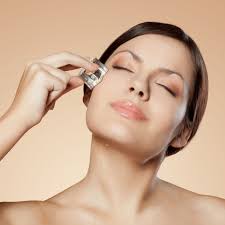
Ice Therapy: Rub ice cubes on your face for 1 to 2 minutes daily to tighten the skin.  

Aloe Vera Gel: Apply a thin layer overnight to soothe the skin and shrink pores.  

Honey + Lemon Pack: Mix 1 tsp of honey with ½ tsp of lemon, apply for 15 minutes, then wash off.  

Multani Mitti Mask: Mix 2 tbsp of multani mitti with rose water, apply for 20 minutes once a week.  

Tomato Juice: Dab fresh juice on pores for 10 minutes, then rinse.  

These home remedies for open pores are safe, clean, effective and easy to use.

Professional Open Pores Treatment Options  

Chemical peels: Remove dead cells and shrink enlarged pores.  

Microdermabrasion: Smooth the skin and reduce large pores on the face.  

Laser therapy: Stimulates collagen for long-term open pores treatment.  

Microneedling: Improves texture and reduces open pores on the face.  

Prescription creams: Retinoids or topical treatments help unclog pores and boost elasticity.  

Dermatologists often combine treatments for effective results in treating face pores.  

How to Minimize Pores Effectively  

Wash your face with lukewarm water to avoid irritation and clogged pores.  

Choose non-comedogenic skincare products to prevent blocked pores on the face.  

Use clay masks once a week for deep open pores treatment.  

Apply niacinamide or retinol serums to tighten enlarged pores on the face.  

Keep your skin hydrated with lightweight moisturizers to help minimize pores naturally.  

A consistent routine ensures long-lasting results in open pores treatment.  

Preventing Open Pores on Face Long-Term  

Maintain a healthy diet rich in vitamins for stronger skin and smaller pores.  

Stay hydrated to prevent excess oil and enlarged pores.  

Avoid heavy makeup that clogs pores, worsening the issue.  

Always remove makeup before sleep to prevent clogged pores.  

Manage stress, as hormonal imbalance can increase oil production and open pores.  

Prevention is the most effective treatment for open pores.
Dark Spots: Causes, Treatments, and Effective Removal Tips

Dark Spots Treatments

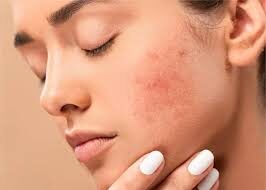
Dark spots are a common skin issue that people of all ages face. Whether you notice them on your face, as black spots, or as dark patches on your skin, these marks can affect your confidence and overall skin health. The good news is that with the right treatment for Dark patches, consistent skincare, and the right spot remover, you can minimize and prevent them effectively.

Understanding Dark Spots on Skin

“According to the American Academy of Dermatology (AAD), using dermatologist-recommended treatments like retinol, salicylic acid, and benzoyl peroxide can help fade dark spots on the face and improve overall skin health.”

What are Dark Spots?

Dark spots, also known as hyperpigmentation, happen when melanin, the skin’s pigment, is overproduced. They appear as black spots on the face, dark marks, or dark patches on the skin. Common triggers include acne scars, sun exposure, aging, and hormonal changes.

Why Treat Dark Spots on Face Early?

If left untreated, black marks on face can become stubborn over time. They may darken further with sun exposure, leading to a longer treatment process. Taking care of them early helps remove Black spots before they turn into permanent black marks.

Common Causes of Dark Spots on Face and Skin

Acne and Pimples:

Scars from acne can leave black spots on the skin and create an uneven tone. Improperly popping pimples can worsen the dark marks.

Sun Damage:

UV rays can trigger melanin production, resulting in dark patches on the face. Without sunscreen, even previously treated dark spots can return.

Hormonal Changes:

Pregnancy or certain medications can lead to dark patches on the skin, known as melasma. These black marks require specific treatments.

Aging:

Age spots, sometimes called liver spots, often develop after age 40. A spot remover with antioxidants can help reduce their appearance.

Effective Dark Spot Treatment for Face and Skin

Step 1: Cleansing for Dark Spots on Face

Use a gentle, brightening cleanser to help fade dark spots. Cleansing removes dirt and excess oil that can worsen the black marks.

Step 2: Exfoliation for Dark Spot Removal

Exfoliate 2 to 3 times a week to get rid of dead skin and lighten dark spots. Chemical exfoliants with AHAs or BHAs are effective for targeting black spots.

Step 3: Dark Spot Treatment Serums

Incorporate serums that contain Vitamin C, niacinamide, or kojic acid. These ingredients help lighten patches, fade black marks, and enhance your skin’s glow.

Step 4: Moisturizing for Dark Spot Healing

Using a good moisturizer supports the natural healing of dark marks. It also helps prevent irritation from strong treatments.

Step 5: Sun Protection for Dark Spots

Sunscreen is crucial for preventing new black spots on the skin. Without SPF, even the best treatment won’t be effective for long.

Home Remedies for Dark Spots on Face

Lemon Juice (with care): It has a natural bleaching effect but should be diluted before use.

Aloe Vera Gel: This soothes the skin and lightens black marks while preventing dark patches.

Potato Juice: Rich in enzymes, this can naturally help remove black spots.

Turmeric Mask: It reduces dark marks due to its anti-inflammatory properties.

Honey & Oatmeal: This combination serves as a gentle exfoliator for home remedies.

Always patch-test before trying any home remedies to avoid irritation.

Lifestyle Tips to Prevent Dark Spots on Skin

Use Sunscreen Daily: This stops new dark patches from forming and protects treated areas.

Healthy Diet: Eating foods rich in Vitamin C and E can help reduce dark spots naturally.

Stay Hydrated: Keeping hydrated promotes healthy skin and can reduce black spots over time.

Avoid Picking Pimples: This helps prevent dark marks and scars.

Get Enough Sleep: Lack of rest can make dark patches worse.

Best Dark Spot Treatment Options (Dermatologist-Approved)

Topical Creams: Prescription retinoids, hydroquinone, or azelaic acid are effective for stubborn dark spots.

Chemical Peels: These provide professional exfoliation to lighten black spots and dark patches.

Laser Therapy: This targets deep dark marks for quicker results.

Microdermabrasion: This method removes the top layers of skin, gradually reducing black spots.

Quick Checklist for Dark Spot Removal

Cleanse with brightening products for dark spots on the face.

Exfoliate regularly to lighten black spots.

Use a Vitamin C or kojic acid serum for dark spot treatment.

Apply sunscreen daily to prevent dark patches.

Consider home remedies for mild cases of dark spots.

Consult a dermatologist for stubborn black marks.

Acne: Complete Guide to Causes, Treatments, and Remedies

Acne clear skin

Acne is a common skin problem that affects all ages of people. This guide outlines the causes of Pimple issues and discusses effective treatments such as salicylic acid and benzoyl peroxide gel. It also provides safe spot treatment options, pimple creams, and home remedies for acne. Additionally, it includes tips for treating and removing pimples at home, along with overnight remedies for healthier skin.

Understanding Acne and Why It Happens

According to the American Academy of Dermatology (AAD), acne is one of the most common skin conditions, and early treatment with proven ingredients like salicylic acid or benzoyl peroxide can help prevent scars and long-term skin damage.

What is Acne?

Acne occurs when oil, bacteria, and dead skin cells block pores. This blockage leads to blackheads, whiteheads, pimples, or painful cysts. Face breakouts can affect the face, back, shoulders, and chest, making facial treatments the most sought after.

Why You Get Facial bumps:

Hormonal imbalance often affects teens or women during their periods.  

Excess oil production can cause faster clogging of pores.  

Bacteria growth worsens inflammation.  

Diet and lifestyle factors like sugar, dairy, stress, and lack of sleep can aggravate acne.

Why Acne Treatment is Necessary:

If left untreated, Pimples can lead to scars, pigmentation issues, and recurring breakouts. Early treatment with salicylic acid, benzoyl peroxide gel, or pimple cream helps prevent further damage.

Acne Cleansing Routine, the First Step in Pimple Treatment

Why Cleansing Matters:

Cleansing removes dirt, oil, and bacteria that can worsen Pimples. It creates a clean surface so that spot treatments and pimple creams can work effectively.

Steps to Cleanse for Breakouts:

Use lukewarm water, as hot water dries skin and cold water can leave oil behind.  

Apply a mild, non-comedogenic cleanser made for Blemishes-prone skin.  

Gently massage for 30 seconds.  

Wash off completely and gently dry with a soft towel.

Cleansing Tips for Acne:

Do not over-wash your face; twice a day is enough.  

Avoid harsh soaps or scrubs that irritate acne and make pimples worse.  

Combine cleansing with salicylic acid or benzoyl peroxide gel for better results.

Acne and Salicylic Acid, Exfoliation for Pimples Removal

Why Salicylic Acid Helps:

Salicylic acid is a beta-hydroxy acid that gets into pores.  

It removes dead skin cells and excess oil, both major acne triggers.  

Regular use improves pimple removal, prevents blackheads, and clears clogged pores.

How to Use Salicylic Acid in Your Acne Routine:

Use a 1–2% salicylic acid face wash or toner.  

Apply 2–3 times a week, increasing gradually if your skin tolerates it.  

Always moisturize after using salicylic acid to prevent dryness.

Tips for Safe Use:

Start slowly to avoid irritation.  

Do not mix with too many other strong acids.  

Use in combination with pimple cream or spot treatment for stubborn pimples.

Acne Spot Treatment, Benzoyl Peroxide Gel and Pimple Cream

Why Spot Treatment Works:

Spot treatments target individual pimples rather than the whole face.  

Benzoyl peroxide gel kills acne causing bacteria and quickly reduces swelling.  

Pimple creams containing sulfur, zinc, or tea tree oil are effective for mild acne.

How to Apply Benzoyl Peroxide Gel:

First, cleanse your face.  

Apply a pea-sized amount directly to the pimples.  

Use once daily and increase to twice a day if your skin adjusts.

Tips for Spot Treatment:

Apply only on active pimples, not on the entire face.  

Avoid mixing benzoyl peroxide gel with strong acids unless advised by a dermatologist.  

Combine with a salicylic acid routine for the best results in treating breakouts.

Home Remedies for Pimples, Natural Pimple Treatment at Home

Safe Natural Remedies for Acne:

Honey mask is antibacterial and reduces swelling.  

Aloe vera gel soothes itchy skin and promotes healing.  

Diluted tea tree oil works as a natural spot treatment.  

An oatmeal mask calms skin and reduces redness.

Overnight Pimple Remedy Tips:

Apply honey or aloe gel before sleeping for a soothing effect.  

Use an ice cube wrapped in cloth to quickly reduce inflammation.  

These tips can provide short-term relief but should be combined with proven acne treatments.

What to Avoid:

Do not apply toothpaste or harsh home remedies, as they can damage skin.  

Do not pick or pop pimples, which can worsen scarring.

Best Treatment for Breakouts, When to See a Dermatologist

Mild Acne:

Use salicylic acid, benzoyl peroxide gel, and over-the-counter pimple creams.  

Combine with consistent cleansing and home remedies.

Moderate to Severe Acne:

Requires prescription-strength creams or oral medications.  

Dermatologists may prescribe retinoids, stronger benzoyl peroxide formulas, or antibiotics.

When to Seek Help:

If acne is painful, spreading quickly, or leaving scars.  

If home treatments are not effective after 2–3 months.

Lifestyle Tips to Prevent Acne and Pimple Recurrence

Daily Habits That Support Acne-Free Skin:

Change pillowcases and towels often to decrease bacteria.  

Avoid oily, comedogenic skincare and makeup products.  

Eat a balanced diet with plenty of fruits, vegetables, and water.  

Manage stress and get enough sleep, as both can trigger acne.  

Always use sunscreen that is safe for acne-prone skin.

Why Prevention Matters:

Even with salicylic acid, spot treatments, or benzoyl peroxide gel, acne may return if lifestyle triggers are not addressed.  

Consistency in daily care is the best long-term solution for pimples.

Quick Acne Care Checklist (Pimple Remove Tips)

Cleanse gently twice daily with a non-comedogenic face wash.  

Use salicylic acid 2–3 times weekly for exfoliation.  

Apply benzoyl peroxide gel as a spot treatment on active pimples.  

Try safe home remedies like aloe, honey, or tea tree oil as overnight treatments.  

Avoid squeezing pimples to prevent scarring.  

See a dermatologist for severe acne or persistent pimples.

Consult us for Acne treatment

The Ultimate Skin Care Routine for Healthy, Glowing Skin

Skin care routine

A best skin care routine is not just about looking good; it’s also about keeping your skin healthy, preventing common issues, and addressing various skin conditions. Whether you have itchy skin, dryness, acne, or want to find the best skin care routine for your face, knowing the right steps for your skin type is important. This guide will help you create an effective skin care routine for both women and men.

Why a Skin Care Routine is Important for Skin Health

A proper skin care steps helps keep your skin healthy, prevents premature aging, and lowers the risk of conditions like acne or pigmentation. Without a daily routine, dirt, oil, and pollutants can build up, leading to various skin issues that may require costly treatments later. By following a good skin care routine, you set a solid foundation for all skin types and support long-term health.

Step 1: Cleansing in Morning Steps for Healthy Skin

The first and most important step for healthy skin is cleansing. Cleansing removes dirt, oil, sweat, and impurities that can lead to skin problems and worsen conditions.
“According to the American Academy of Dermatology cleansing twice a day is vital for skin health.”

For oily skin types: Use a gel-based cleanser. This helps manage excess oil and clogged pores.

For dry skin types: Choose a hydrating cleanser that supports skin health and prevents itching.

For sensitive skin types: Select mild cleansers that won’t trigger irritation.

Cleansing twice daily makes your routine more effective and prepares your skin for the next steps.

Step 2: Exfoliation in Skin Care Routine

Exfoliation is an important step in any skin care routine. It removes dead cells that cause dullness and other problems. Exfoliation unclogs pores, boosts skin health, and allows products to work better.

Chemical exfoliants: Great for those with acne or pigmentation.

Physical scrubs: Good for some skin types, but be careful as they can irritate if overused.

Frequency: Exfoliate 2 to 3 times a week for the best results.

This step is vital as it prevents buildup and helps treat various skin conditions.

Step 3: How Toner Improves Skin Health

Toning balances the skin’s pH levels and helps your skin absorb moisturizers and serums better.

Hydrating toners: Beneficial for dry or sensitive skin.

Clarifying toners: Helpful for oily and acne-prone skin.

Soothing toners: Great for itchy skin, especially when inflammation is present.

Adding toner to your skin care routine helps minimize pores, prevents problems, and gives a refreshed feel.

Step 4: Hydration and Moisturizes for Skin Care

No routine is complete without moisturizer. Hydration is key to preventing issues like dryness, flakiness, or itching.

Gel moisturizers: Best for oily skin, as they don’t clog pores.

Cream moisturizers: Ideal for dry skin, providing deep nourishment.

Lotion-based moisturizers: Lightweight options that work well in men’s routines.

Moisturizing is essential, protecting from problems like rough texture and irritation.

Step 5: Sunscreen and Protection Against Skin Damage

Sunscreen is often overlooked but very important. Sun exposure can lead to significant problems like pigmentation, wrinkles, and can worsen skin conditions.

Broad-spectrum SPF: Offers daily protection from harmful UV rays.

For oily skin: Choose matte sunscreens that help maintain skin health.

For dry and sensitive skin: Pick hydrating formulas that also prevent itching.

Sunscreen is crucial for protecting your skin from lasting damage.

Special Skin Care tips for Different Skin Conditions

A general routine may suit people with normal skin, but those with specific conditions need customized steps. Tailoring your routine ensures your products address the root cause, whether it’s acne, dryness, or itching. Knowing your skin type and using the right treatments helps prevent long-term damage and improves health.

1. Skin Care Routine for Acne-Prone Skin

If you have acne, focus on controlling oil, unclogging pores, and reducing breakouts without causing irritation.

Use a gentle, foaming cleanser twice daily to remove excess oil.

Exfoliate with salicylic acid or glycolic acid for acne-related issues.

Choose lightweight, non-comedogenic moisturizers to keep skin healthy.

Add targeted treatments like benzoyl peroxide or tea tree oil to reduce pimples.

Always use sunscreen, as sun exposure can worsen acne scars.

This custom routine helps prevent clogged pores and keeps acne manageable.

2. Skin Care Routine for Itchy Skin

People with itchy skin need soothing products to calm irritation and prevent flare-ups. Focus on hydration and anti-inflammatory care.

Use a fragrance-free, hydrating cleanser daily.

Apply moisturizers with ingredients like aloe vera, oatmeal, or shea butter for skin health.

Avoid harsh scrubs or products that might irritate your skin further.

Include cooling gels or soothing creams for itch relief.

Protect your skin from heat and excessive sun to reduce issues.

A calming routine for itchy skin helps restore balance and prevents irritation.

3. Skin Care Routine for Sensitive Skin

Sensitive skin needs a simple routine to avoid flare-ups and maintain health. Using harsh products can worsen redness, rashes, or burning sensations.

Use a mild, fragrance-free cleanser.

Stick to alcohol-free toners and soothing moisturizers to avoid irritation.

Perform patch tests before trying new products.

Use sunscreen made for sensitive skin types to prevent issues.

Avoid over-exfoliation, as it may worsen problems and cause itching.

A simple and gentle routine can keep sensitive skin healthy, soft, and irritation-free.

Lifestyle Tips to Support Skin Care tips

Beyond a good and effective skin care routine tips, your lifestyle plays a significant role in skin health.

Stay hydrated to prevent dryness and itching.

Eat a balanced diet to avoid common issues.

Get enough sleep, as lack of rest can worsen conditions.

Manage stress, as it can trigger the need for itch treatment or acne.

Lifestyle changes that support your routine help achieve glowing, healthy skin.

To Take Hydra facial and All skin care treatments contact us and visit our SERVICE PAGE.